





















How to turn conversations at education exhibitions into real leads

This article is written for education suppliers selling to schools who invest in exhibitions and want to know how to turn conversations into real leads.
Education exhibitions are a fixture in the supplier calendar. They’re busy, energising, and full of meaningful conversations with people who genuinely care about improving education.
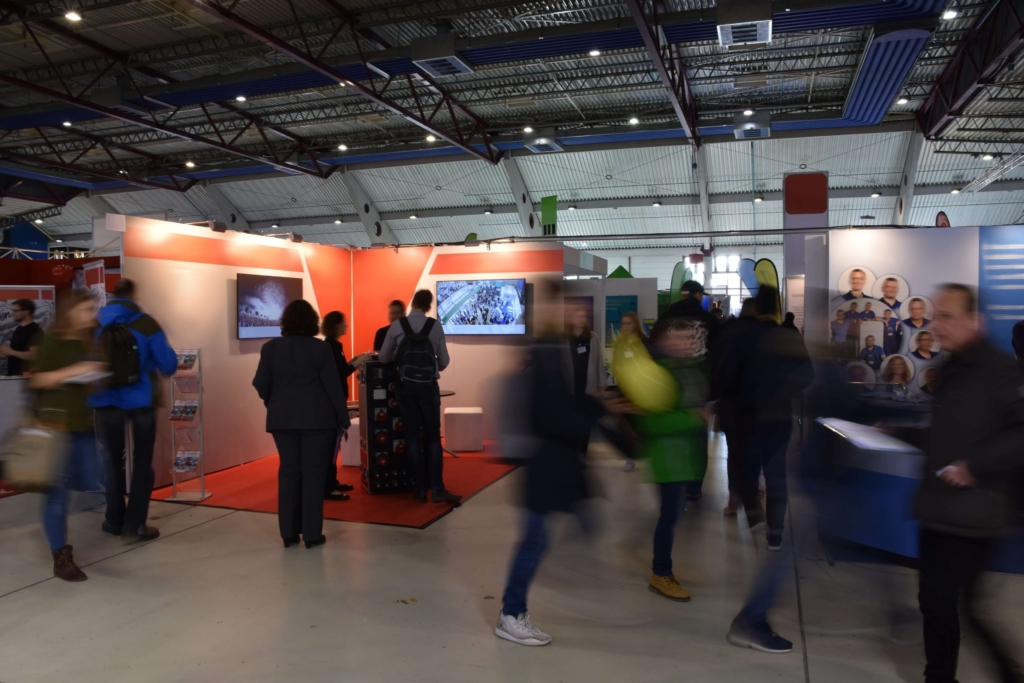
For a few days, it feels like everything is happening at once.
But once the stand is packed away, the inbox fills up, and the adrenaline fades, many suppliers find themselves asking the same quiet question:
What did all of those conversations actually turn into?
1. First things first, review your exhibition expectations
Exhibitions are intense in the best way. You speak to tens and hundreds of people. You demo your products, exchange details, scan badges, and leave feeling positive about the level of interest. Then a couple of weeks pass.
Follow-up emails go out. LinkedIn connections are accepted. A few polite replies come back. And suddenly the excitement of the show is replaced with a more reflective assessment:
- How many of these conversations were genuinely sales-ready?
- How many schools were just exploring?
- Who actually has influence over decisions?
- And what do we do now to make this investment count?
These aren’t signs that exhibitions “don’t work”. They’re a natural part of evaluating any activity that sits early in a long education buying cycle. In the weeks after shows, we speak to a wide range of education suppliers and a consistent theme emerges. Common feedback includes:
- “Lots of interest, not many clear next steps”
- “Great conversations, but most schools weren’t ready yet”
- “We met the right people, just very early in their thinking”
This isn’t a criticism of exhibitions at all. It’s a reflection of how schools actually use exhibitions: to explore, compare, and gather ideas; not to make fast purchasing decisions on the spot. It’s important to understand this to be able to create an effective follow-up strategy and turn conversations into real leads.
2. Understand why conversations don’t automatically become leads
When post-event ROI feels unclear, it’s rarely about lead volume. It’s usually about what happens afterwards. Across post-exhibition campaigns, we tend to see three patterns:
Generic follow-ups
A single “great to meet you at the exhibition” message sent to everyone, regardless of role or context, struggles to reflect how schools buy, or what was actually discussed.
Limited context
Exhibition conversations are fast. Without clear visibility of role, influence, or school type, it’s hard to separate early curiosity from realistic opportunity.
Treating the event as the conversion point
For most schools, exhibitions are the start of a journey, not the end. Expecting short conversations to convert without structured follow-up overlooks the reality of education decision-making.
The result is often the same: strong engagement at the event, followed by uncertainty about what it delivered.

3. Don’t rush your follow-ups with teachers
Post-exhibition follow-up usually happens under pressure. Teams return to full inboxes, competing priorities, and reporting demands, so speed often wins over structure.
Data captured at events is often incomplete or disconnected from wider marketing activity. And there’s frequently a gap between marketing (focused on visibility and leads) and sales (focused on immediacy), leaving longer-term opportunities under-nurtured.
It’s a common pattern across the sector and one we see repeatedly.
The suppliers who get the most value from exhibitions aren’t those who expect instant results. They’re the ones who treat events as a signal of intent and build thoughtful, education-aware activity around them.
4. Create a structured plan to nurture teachers and decision makers
Exhibitions still matter. They open doors, create awareness, and surface early interest at scale.
But the real impact comes afterwards through:
- Relevant, timely follow-up
- Messaging that reflects where schools actually are in their thinking
- Campaigns aligned to education timelines, not sales urgency
When exhibitions are treated as the starting point of a longer conversation, rather than a standalone moment, the value compounds.
Final note
If you came away from an exhibition feeling energised, but slightly unsure how much it will translate into real leads, you’re not alone.
That post-show moment is increasingly common across education suppliers. And it’s exactly where reflection, structure, and the right follow-up strategy make the difference. Taking time to plan these things will help you turn your conversations at education exhibitions into real leads.