




















How to have better conversations with school decision makers

Getting your message in front of teachers and school leaders is one thing. Getting them to have a proper conversation with you is quite another.
For education suppliers, this is a familiar challenge. You might have a fantastic product, a well-targeted email campaign and a clear understanding of who you’re trying to reach. But that doesn’t necessarily mean a Headteacher, School Business Manager or subject leader is going to find time to speak to you. And even when you do get that conversation, are you making the most of it?
There’s a tendency in sales to focus on getting the meeting, demonstrating the product and moving the prospect towards a purchase. Nothing wrong with wanting to win business, of course. But sometimes we’re so focused on what we want to tell schools that we forget to find out what they actually need.
So, how can you have better conversations with school decision makers?
Are you speaking to the right person?
It’s worth starting here because it’s something we see regularly in education marketing. Suppliers often want to target Headteachers because they’re seen as the ultimate decision maker. But depending on what you’re selling, the Headteacher might not be the person you need to speak to first.
If you’re offering a SEND resource, the SENCO is probably going to have a much better understanding of the challenges it needs to address. For curriculum resources, a subject leader may be your strongest advocate. And for anything involving significant expenditure, the School Business Manager or MAT finance team could be central to the decision.
The person who identifies the need, the person who influences the purchase and the person who approves the budget aren’t always the same. We’ve explored this in more detail in our guide to the different decision makers and influencers on your teachers mailing list.
Before approaching a school, think about who experiences the problem your product solves. That person may be your best starting point.
Stop presenting and start asking questions
Imagine you’re selling a new assessment platform. You could spend 20 minutes explaining the reporting features, dashboards and integrations. Or you could start by asking a teacher how they’re currently managing assessments and what’s taking up most of their time.
You might discover that the problem isn’t reporting at all. It’s the amount of time staff spend entering information. That’s a very different conversation.
Some useful questions include:
- What’s your biggest challenge in this area at the moment?
- How are you currently dealing with it?
- What works well, and what frustrates you?
- What would make you consider trying something different?
- Who else would need to be involved in making a decision?
None of these questions is particularly clever. That’s the point. You’re giving somebody the opportunity to explain their situation rather than trying to steer them towards a predetermined answer. And don’t be afraid of hearing something you weren’t expecting. Sometimes the most useful feedback is that your product isn’t quite right for the school.
Understand what happens after the conversation
One thing suppliers sometimes underestimate is how complicated purchasing decisions can be.
A teacher might love your product but have no authority to purchase it. A Headteacher might be interested but need approval from the MAT. Or a school might have the budget but be tied into an existing contract. That doesn’t mean the conversation has been wasted. Understanding how decisions are made is part of understanding your customer.
If somebody expresses an interest, find out what would happen next. Who needs to be involved? Is there a budget? Are there particular times of year when purchasing decisions are reviewed?
These questions can save a lot of unnecessary chasing later. They also help you follow up in a way that’s relevant, rather than sending the same generic sales email to everybody.
The challenge of getting teachers into conversations
Of course, all this advice assumes you’ve managed to arrange a conversation in the first place. And that’s often the difficult bit.
Teachers are busy. Schools receive plenty of approaches from suppliers, and asking somebody to give up half an hour for a sales call isn’t always an attractive proposition.
But what if the conversation had a different purpose? Rather than simply demonstrating a product, you might want to explore a challenge schools are facing, test an idea or understand how teachers currently approach something.
For a supplier developing a new careers resource, for example, speaking to a group of careers leaders could provide valuable insight into what schools actually want, what they’re already using and where the gaps are.
Those conversations can influence product development, marketing messages and future sales activity. They can also help you start building relationships with people who are genuinely relevant to your business.
Introducing Live Sessions: direct conversations with teachers
This is one of the reasons we’ve brought Live Sessions into Buzz Education’s wider offering.
Alongside our education data and email marketing services, our Live Sessions give suppliers another way to engage directly with teachers and school decision makers.
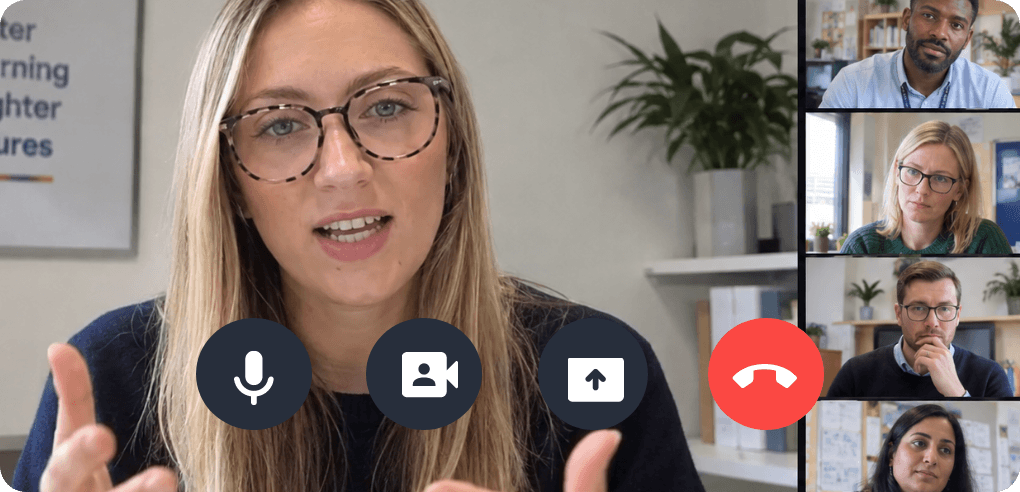
Through our Reach Sessions, suppliers can join a hosted discussion shared with other education suppliers and a targeted group of around 10-15 relevant education professionals. Sessions typically last 45–60 minutes and provide an opportunity to introduce an offering, ask questions, gather feedback and explore potential interest.
We also offer Focus Sessions, which provide one-to-one conversations where a supplier wants to explore a particular product, idea or challenge in more detail.
The important thing is that these aren’t simply another way of delivering a sales presentation. They’re an opportunity to hear directly from the people you’re trying to reach, understand their priorities and begin developing relationships. And where there’s genuine interest, they can also create opportunities for further conversations and potential leads.
Why we believe email marketing and direct conversations work together
We’re not suggesting that education suppliers should replace email marketing with direct conversations. Quite the opposite. We see them as complementary ways to generate leads and develop relationships.
Email marketing gives you the opportunity to reach thousands of relevant education contacts, build awareness and generate enquiries. Live Sessions give you the chance to have more detailed conversations with a smaller, carefully targeted audience.
Let’s say you’re launching a new teaching resource. You could run an email campaign to introduce it to relevant teachers across the country. At the same time, you could participate in a Live Session to understand what teachers think about the resource, which benefits interest them and what questions they have.
What you learn from those conversations could then help shape your next email campaign.
Perhaps teachers are more interested in reducing workload than the feature you’ve been promoting. Or perhaps there’s a common concern about implementation that your marketing hasn’t addressed. That’s information you can actually use.
We’ve also looked at what really works when emailing schools, using analysis of more than 1,300 education email campaigns. Combining those campaign insights with feedback from teachers can help suppliers make more informed decisions about their marketing.
And importantly, you’re creating more than one opportunity for schools to engage with your business.

Better conversations can lead to better business
There’s no magic formula for getting school decision makers to buy from you. But understanding who you’re speaking to, asking better questions and taking the time to listen will put you in a stronger position.
Not every conversation will result in a sale. Some will help you improve your product. Others will highlight a problem with your messaging or introduce you to somebody you hadn’t previously considered targeting. And some will develop into valuable commercial relationships.
At Buzz Education, we want to help suppliers do both: reach the right education audiences and have more meaningful conversations with them.
By combining targeted email marketing with Live Sessions, suppliers can create additional lead-generation opportunities, learn more about their customers and build relationships that go beyond a single campaign.
Want to reach more teachers and start having better conversations?
Find out how Buzz Education’s email marketing services and Live Sessions can work together to support your education marketing strategy.