




















September 2026 education update: what suppliers need to know

Who is this article for?
This blog post is written for education suppliers who want to know which September 2026 education announcements actually matter for their marketing, and which ones are safe to ignore.
September is always a busy month in education. Schools return, priorities reset, budgets come back into focus and there’s usually a steady stream of announcements for school leaders to get their heads around. This year has been no different.
If you’re an education supplier, though, you don’t necessarily need to know about every policy announcement or piece of education news. What matters is whether something changes the environment you’re selling into.
So, I’ve picked out five developments from the first couple of weeks of September that I think are worth having on your radar and, more importantly, what they might mean if you market products or services to schools.
1. The new Ofsted inspection arrangements are now in use
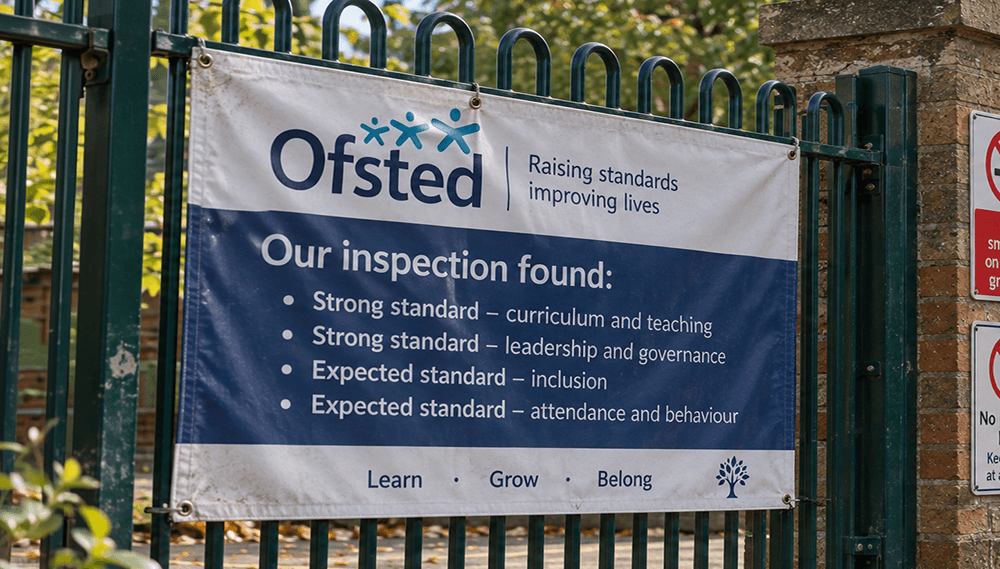
Ofsted’s updated inspection arrangements came into use for state-funded schools from 7 September 2026. The updated toolkit covers areas including safeguarding, inclusion, curriculum and teaching, achievement, attendance and behaviour, wellbeing, early years, post-16 provision, and leadership and governance.
So, should you immediately start putting Ofsted into your marketing?
I’d be very wary of it.
Schools have seen plenty of products over the years promoted on the basis that they’ll somehow help with Ofsted. But it is worth understanding the language schools are now working with.
If your product genuinely supports inclusion, SEND, attendance, pupil outcomes, safeguarding or curriculum delivery, for example, take a look at your messaging. Are you clearly explaining that connection?
If you are, great. If you’re trying to manufacture an Ofsted angle because it’s topical, I’d leave it alone.
2. Free school meal eligibility has expanded

From the start of this academic year, children in households receiving Universal Credit are eligible for free school meals regardless of household earnings. The government says more than three million children from Universal Credit households will benefit.
What does that mean if you’re an education supplier?
For plenty of you, probably nothing. And I think that’s an important point. You don’t need to turn every education announcement into a blog, email campaign or LinkedIn post.
But if you work in catering, wellbeing, poverty reduction, family support, attendance or a related area, it’s clearly something you need to understand. It also sits within a much wider focus on reducing the cost of the school day for families.
Even where there isn’t an immediate sales opportunity, understanding the pressures schools and families are facing helps you communicate with them more intelligently.
3. Free breakfast clubs continue to expand

The rollout of free breakfast clubs has moved forward again this September. Government funding is supporting thousands more schools, with the longer-term commitment to make free breakfast clubs available in every state-funded school with primary-aged pupils in England.
There’s an obvious opportunity here for organisations involved in catering and food provision. But I think the more interesting bit is what happens around a policy like this.
A school expanding breakfast provision may need to think about staffing. Equipment. SEND. Safeguarding. Facilities. Software. Operational management. And probably several things I’ve missed.
That’s worth thinking about if you’re an education supplier. When a new initiative is announced, don’t just look at the headline and ask whether you sell the obvious product.
Ask:
“What new problems might this create for schools?”
You may find that’s where the opportunity is.
4. New school uniform rules are now in force

From September, schools must limit the number of compulsory branded uniform and PE items. The limit is generally three branded items, or four for secondary and middle schools where one of those items is a tie.
Schools are also expected to consider affordability and value for money, with guidance encouraging competitive procurement and regular reviews of supplier arrangements.
Clearly, that’s important if you supply school uniform. But there’s something in here for the wider education supplier market too.
Schools are under pressure to demonstrate value. That doesn’t necessarily mean buying the cheapest option. It means being able to justify what they’re spending and what they’re getting in return.
So, how easy do you make that for them? Can you demonstrate the impact of your product? Can you show what a school gets for its money? Do you have evidence or case studies that help someone justify the purchase internally?
I’d expect those questions to become increasingly important, particularly where budgets remain tight.
5. Procurement is becoming increasingly important
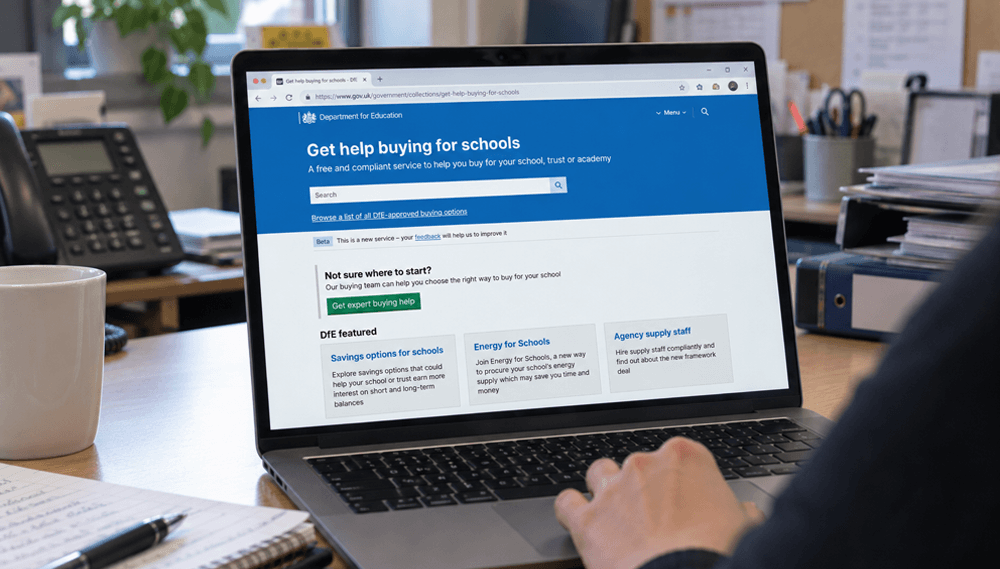
The Department for Education continues to develop the procurement support available to schools and trusts through services such as Get help buying for schools.
There’s also a significant change for recruitment suppliers. From September 2026, academy trusts buying supply staff through agencies are required to use the government’s Supply Teachers and Education Recruitment framework, or another route that complies with the Procurement Act 2023.
If you’re nowhere near recruitment, it’s easy to skim past that. But there’s a wider point.
We spend a lot of time thinking about how to market to schools. We probably don’t spend enough time thinking about how schools actually buy.
You can have a great campaign. You can reach exactly the right person. They can be genuinely interested in what you offer. And you can still lose the opportunity because you haven’t understood the procurement process, who controls the budget or what needs to happen before the school can buy.
If you’re selling something with a reasonably significant price tag, I’d make understanding that process part of your marketing and sales planning rather than waiting until somebody wants to place an order.
So, what should suppliers take from September so far?
For me, the answer isn’t to start rewriting your marketing every time a new announcement lands. That’s probably going to result in a lot of fairly tenuous emails about Ofsted.
Instead, when something changes in education, ask yourself:
“Does this actually matter to the schools we’re trying to reach?”
Has it created a problem? Has it changed a priority? Is there a budget implication? Does it change how a school might buy?
And, ultimately:
“Can we genuinely help?”
If the answer is yes, there’s probably something worth talking about. If it isn’t, move on. There’ll be another education announcement along soon enough.
FAQs
What are the main education changes for schools in September 2026?+
Changes and developments include updated Ofsted inspection arrangements, expanded free school meal eligibility, further rollout of free breakfast clubs, new limits on compulsory branded school uniform and changes affecting how some academy trusts procure supply staff.
What does the new Ofsted framework mean for education suppliers?+
Suppliers should understand the priorities and language schools are working with, particularly where their products genuinely support areas such as inclusion, SEND, attendance, safeguarding, curriculum or pupil outcomes. However, suppliers should avoid making unsupported claims that their product will improve an Ofsted judgement.
Are school procurement rules changing in 2026?+
There are several developments suppliers should be aware of. For example, from September 2026 academy trusts procuring supply staff through agencies are required to use the government’s Supply Teachers and Education Recruitment framework or another Procurement Act-compliant route.
How should education suppliers respond to changes in government education policy?+
Start by considering whether the change genuinely affects the schools you serve or creates a problem your organisation can help solve. Suppliers don’t need to react to every announcement. Relevant, useful insight is likely to be more effective than simply commenting on the latest education news.