





















Ofsted has changed: what does it mean for education suppliers?

Who is this article for?
This blog post is written for education suppliers who want to understand what Ofsted’s changes actually mean for how they market and sell to schools.
Ofsted has changed significantly over the last 12 months. Single overall judgements have gone, schools are now assessed across individual areas using report cards, and the inspection toolkit has already received its first annual update for September 2026.
But if you sell products or services to schools, there’s a more useful question: what does any of this mean for you?
Potentially quite a lot. Not because you should suddenly start putting “Ofsted-ready” across your marketing, but because the new framework gives suppliers a useful view of the areas schools are expected to understand, manage and improve.
If your product genuinely helps with one of those areas, that’s worth knowing.
First, what’s actually changed?
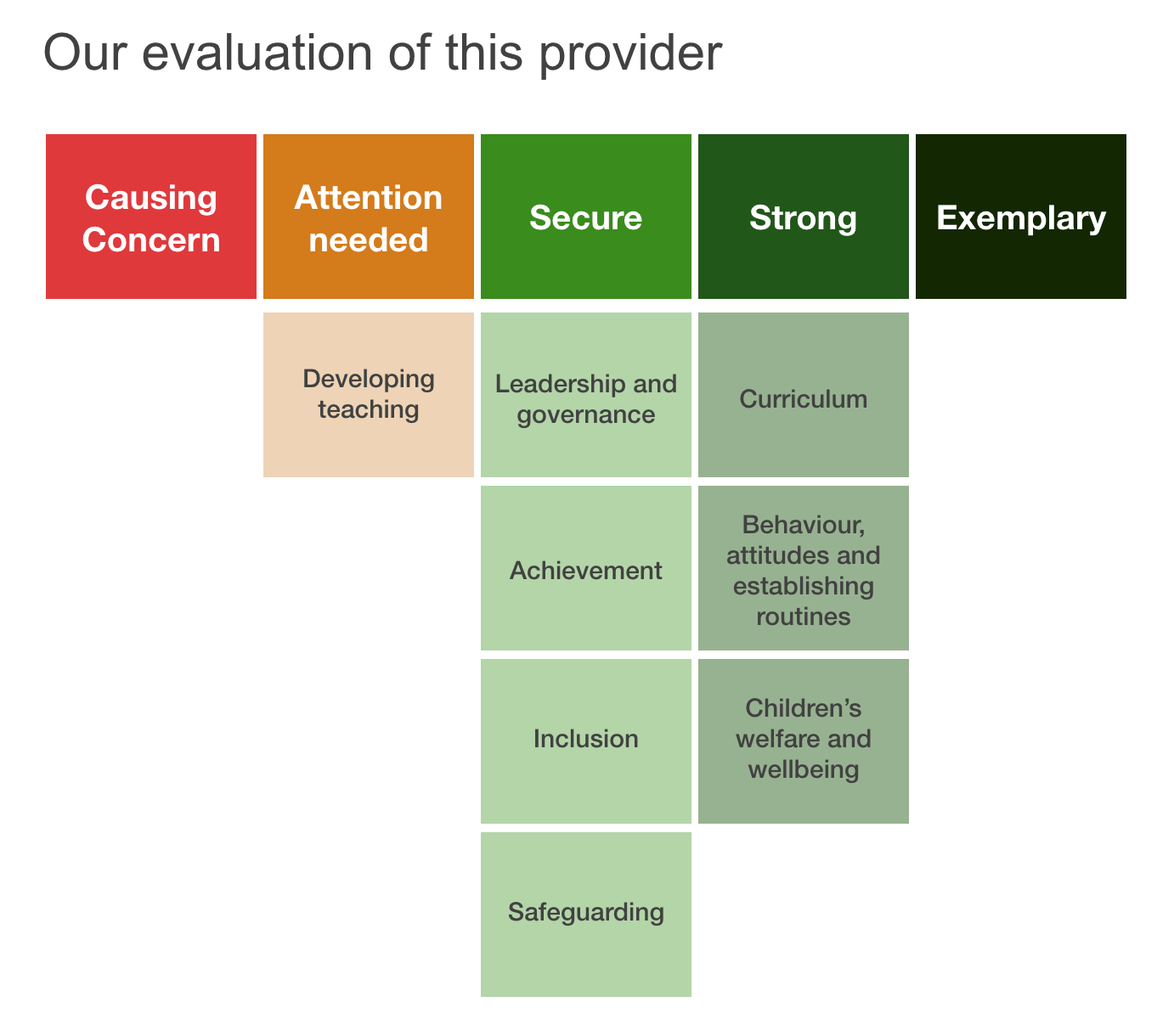
Ofsted now evaluates state-funded schools across six core areas: Inclusion, Curriculum and Teaching, Achievement, Attendance and Behaviour, Personal Development and Wellbeing, and Leadership and Governance. Safeguarding is evaluated separately as met or not met, with additional evaluation areas for early years and post-16 provision where relevant.
Rather than one overall judgement, the report-card approach provides a more detailed picture of where a school is performing well and where improvement may be needed.
For suppliers, the useful bit is working out where your product or service fits.
Where does your product fit?
Here’s a quick starting point:
| If you sell… | Look at this Ofsted area | Think about how you help schools with… |
|---|---|---|
| Attendance software/services | Attendance & Behaviour | Identifying patterns, persistent absence, interventions and measuring impact |
| SEND/inclusion products | Inclusion | Identifying needs, removing barriers and supporting disadvantaged pupils |
| Curriculum resources/EdTech | Curriculum & Teaching / Achievement | Curriculum delivery, assessment, progress, workload and identifying gaps |
| Wellbeing/enrichment programmes | Personal Development & Wellbeing | Pastoral support, wider development, access and participation |
| Safeguarding software/training | Safeguarding | Recording, monitoring, staff confidence and a whole-school approach |
| Leadership/governance services | Leadership & Governance | Oversight, improvement priorities, evidence and accountability |
These aren’t claims that a particular product will improve an Ofsted judgement. They’re starting points for understanding the problems and responsibilities schools are being asked to think about.
You can read the current Ofsted School Inspection Toolkit yourself and look at the area most closely connected to what you provide.
If you provide attendance software…
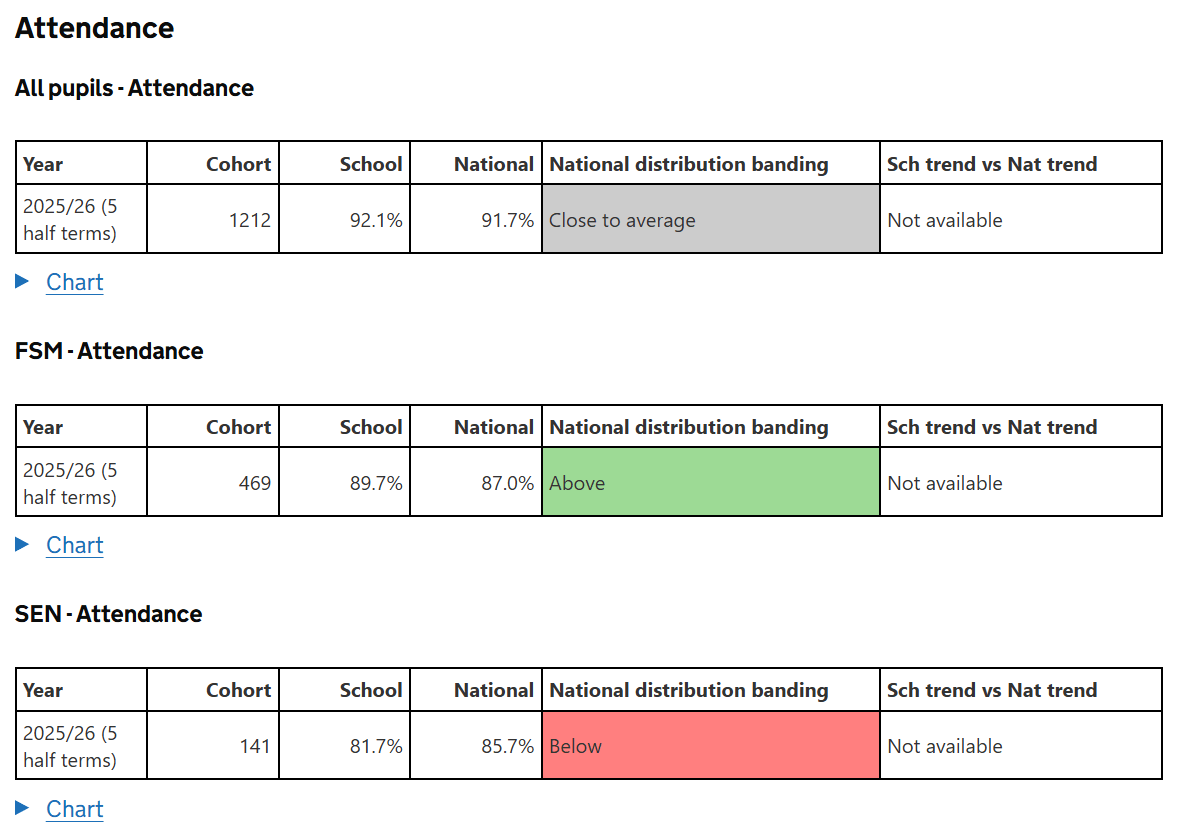
Go straight to Attendance and Behaviour.
The toolkit considers whether leaders and staff have an accurate understanding of attendance, whether effective strategies are being used to tackle problems and the support being provided to pupils facing barriers to attendance.
Rather than telling schools that your software can help them “prepare for Ofsted”, show them how it helps identify attendance patterns, understand persistent absence, target interventions and demonstrate whether those interventions are working.
It’s a subtle difference, but an important one. You’re demonstrating how you solve a problem rather than trying to sell an inspection outcome.
Our School Insights Survey 2025–26 provides a wider look at some of the priorities and challenges currently being reported by teachers and senior leaders.
If you provide SEND or inclusion support…
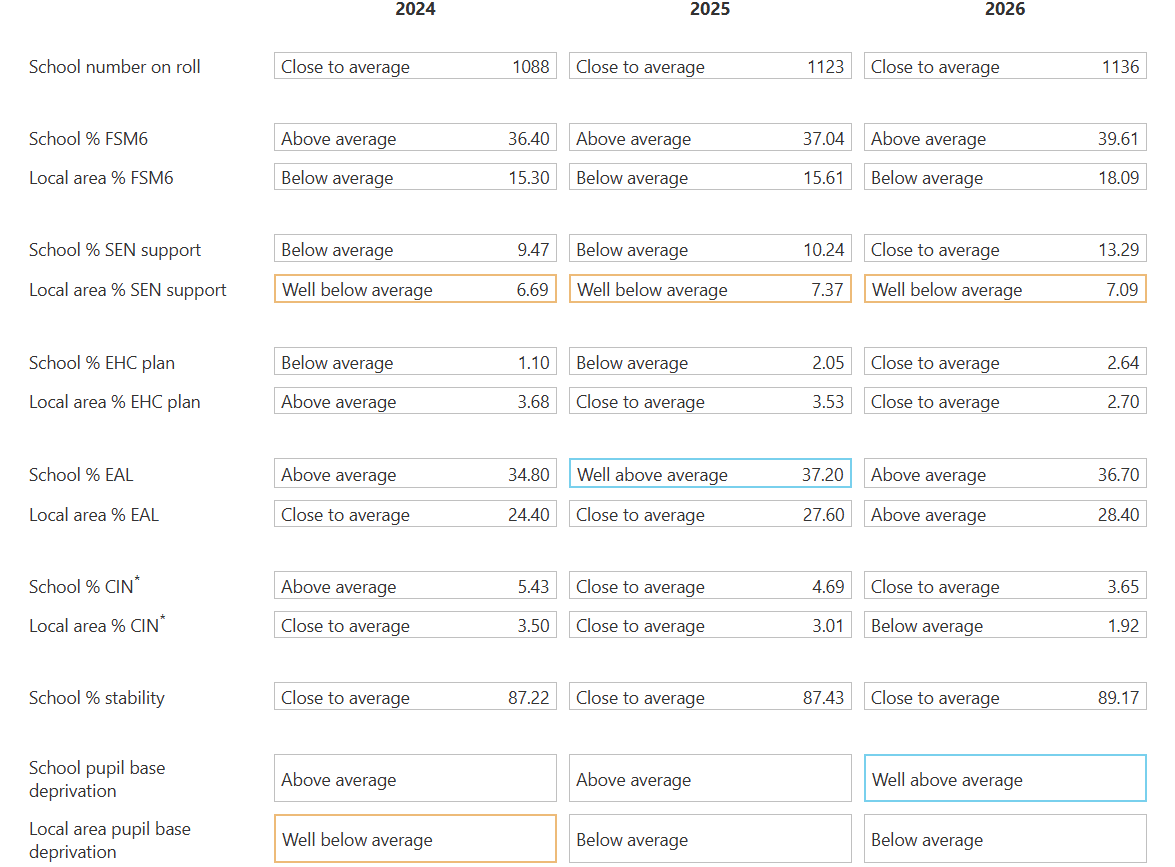
Take a close look at Inclusion.
This is now a core evaluation area in its own right. Ofsted considers how effectively schools identify pupils’ needs and address barriers to learning and wellbeing, including SEND, disadvantage and pupils known to social care.
That creates obvious relevance for SEND resources, assessment tools, intervention programmes, accessibility products, staff training and services supporting disadvantaged pupils.
Again, the opportunity isn’t to tell schools “Ofsted wants you to buy this.” It’s to demonstrate how your product helps them identify needs, remove barriers, support pupils or understand whether an intervention is working.
If you provide curriculum resources or EdTech…
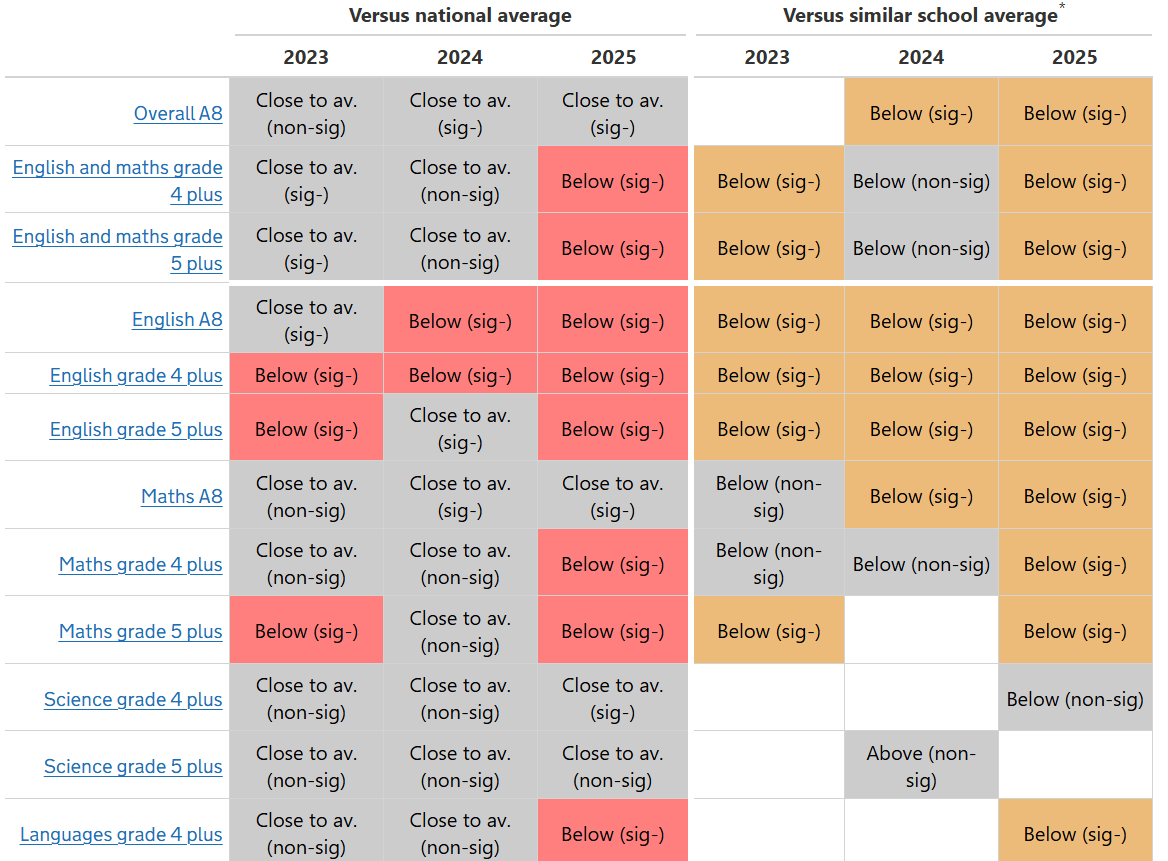
Look at Curriculum and Teaching and potentially Achievement.
Think about what your product actually helps a school improve. Does it support curriculum delivery, reduce teacher workload, identify gaps, improve assessment, support particular groups of pupils or give leaders better information about progress?
That’s the story I’d tell.
If you’re selling educational or classroom resources, our guide to marketing educational resources to schools also looks at the different teaching and leadership roles you can target.
If you work in wellbeing, enrichment or careers…
Look at Personal Development and Wellbeing.
The framework considers pupils’ wider development, pastoral support and the opportunities available to different groups of pupils. If you provide enrichment programmes, careers support, wellbeing resources, extracurricular activities or pupil-development programmes, it’s worth understanding exactly what schools are being asked to demonstrate.
Then look at what you genuinely help them achieve and make that the focus of your marketing.
If you provide safeguarding products or training…
Safeguarding remains a separate inspection area, with leaders and governors responsible for ensuring there’s an effective whole-school approach.
If you provide safeguarding software, training or services, look at the actual expectations and identify the specific problem your solution addresses. That’s much stronger than simply putting “Be Ofsted ready” at the top of your next email.
Use Ofsted’s language to understand the problem
There’s another useful reason for suppliers to read the framework.
Look at the terminology Ofsted uses around the area you work in. You’ll see language around things such as barriers to learning, persistent absence, disadvantaged pupils, inclusion, personal development and impact.
I’m not suggesting copying chunks of Ofsted terminology into your next email. That could become fairly painful fairly quickly.
But understanding how these issues are being discussed helps you understand the language schools themselves are increasingly working with.
If you sell an attendance product and your marketing talks entirely about features while schools are thinking about persistent absence, barriers to attendance and the impact of interventions, there’s potentially a disconnect.
Understanding the framework can help you close that gap.
It can also tell you who you should be marketing to
Different problems also belong to different people.
If you’re selling an attendance product, an Attendance Lead or member of the pastoral team may care about the problem before the Head Teacher does. If you support SEND, the SENCO or Inclusion Lead could be your most relevant first contact. For curriculum products, it could be Subject or Curriculum Leaders; for careers programmes, the Careers Leader.
So don’t just ask “Who can authorise the purchase?” Think about who deals with the problem every day too. They may be two different people.
Our UK Education Job Roles guide covers more than 130 different roles within schools and education establishments, which is a useful starting point if you’re unsure who you should be reaching.
Once you’ve identified them, our education database allows campaigns to target individual teachers and decision-makers rather than treating every school as the same audience.
So, what should you actually do?
I’d keep it simple.
1. Find the Ofsted area closest to the problem you solve. Don’t manufacture a connection. If there isn’t one, that’s fine.
2. Look at what inspectors are actually asking schools to demonstrate. Read the relevant section of the current Ofsted School Inspection Toolkit and understand the problems, responsibilities and terminology involved.
3. Look again at your marketing. Are you clearly showing how your product helps with that underlying challenge? And are you talking to the people within the school who actually deal with it?
That’s it.

Don’t use Ofsted to scare schools
Ofsted gives suppliers a useful window into school priorities, but that doesn’t mean every campaign suddenly needs an Ofsted subject line.
I’d use a simple test:
“If you removed the word ‘Ofsted’ from your marketing, would the benefit of your product still be compelling?”
If you sell attendance software, it should help improve attendance whether an inspection is coming or not. SEND support should help pupils whether Ofsted ever sees it, and safeguarding software should improve safeguarding rather than simply make an inspection easier.
It’s the same point we made in our recent September 2026 Education Update: don’t jump on an education announcement simply because it’s topical. Work out whether it genuinely changes something for the schools you’re trying to reach.
Don’t use Ofsted to frighten schools into buying something. Use it to become better at understanding the problems schools are trying to solve.
FAQs
What are the main Ofsted inspection areas in 2026?+
The six core evaluation areas for state-funded schools are Inclusion, Curriculum and Teaching, Achievement, Attendance and Behaviour, Personal Development and Wellbeing, and Leadership and Governance. Safeguarding is evaluated separately.
How can education suppliers use the new Ofsted framework?+
Find the inspection area that genuinely relates to the problem your product solves and look at what schools are expected to demonstrate. Attendance software may relate to Attendance and Behaviour, for example, while SEND services may relate to Inclusion. Use that knowledge to make your marketing more relevant rather than simply using Ofsted as a sales message.
Who should education suppliers target in schools?+
That depends on the problem your product solves. The person experiencing the problem isn’t always the person who ultimately approves the purchase. Our UK Education Job Roles guide can help you identify the most relevant contacts.
Has Ofsted changed its inspection framework?+
Yes. Ofsted introduced its renewed education inspection framework in November 2025, replacing single overall judgements with a more detailed report-card approach. The inspection materials were updated again for September 2026.